
Belsnickel: The Forgotten Spirit of Christmas Mischief
- Bee Williams

- Dec 15, 2025
- 3 min read

As the days grow shorter and frost paints the windows, children around the world begin to feel the electric anticipation of the season. The twinkle of lights mirrors the sparkle in their eyes. Visions of presents, sweets, and snow-dusted wonder dance through their minds. It’s a small miracle that children manage to focus on anything at all as winter deepens.
While modern homes bustle with elves on shelves and jingle about Santa’s sleigh, there once was another who lurked in the long shadow of Saint Nicholas. Belsnickel, the fur-clad spirit of reward and reckoning. Belsnickel: The Forgotten Spirit of Christmas Mischief.

The Forgotten Companion
In our modern celebrations, Santa stands alone as the benevolent gift-giver, but history tells a different story. Once, Saint Nicholas traveled with companions, some gentle, some grim, each representing the balance between generosity and discipline.
People today have rediscovered Krampus, the horned demon who punishes misbehaving children, and Knecht Ruprecht, the kindly servant who delivers presents beside the saint. But between these two figures lies Belsnickel—a curious mix of both light and shadow.
Unlike Krampus, Belsnickel travels alone, without sleigh or reindeer. Clad in tattered furs and sometimes masked, he arrives on foot, his face often smeared with soot or hidden beneath animal pelts. In one hand, he carries a bundle of switches for striking the naughty. In the other, pockets bulge with cakes, nuts, and candies for those who have been good.
In Belsnickel’s world, moral choice is immediate: kindness brings sweetness; deceit brings sting.

Before Santa Took Over
The familiar image of Santa Claus, rosy-cheeked, jolly, and dressed in red was largely shaped by 20th-century marketing, most famously by Coca-Cola’s advertising in the 1930s. But before this global image took root, children in parts of early America didn’t wait for Santa; they waited for Belsnickel.
In an 1800s Maryland account, writer Jacob Brown recalled that he and his siblings had never heard of Santa Claus as children. Instead, they feared and adored Belsnickel.
He came at night, wrapped in rags and furs, carrying a sack of sweet treats and a switch of hazelwood. When he threw candies to the floor, the children scrambled to gather them. But if greed or mischief showed, the switch found its mark. It was part moral lesson, part seasonal theater a rustic balance between discipline and delight.
German Roots and Wild Woods
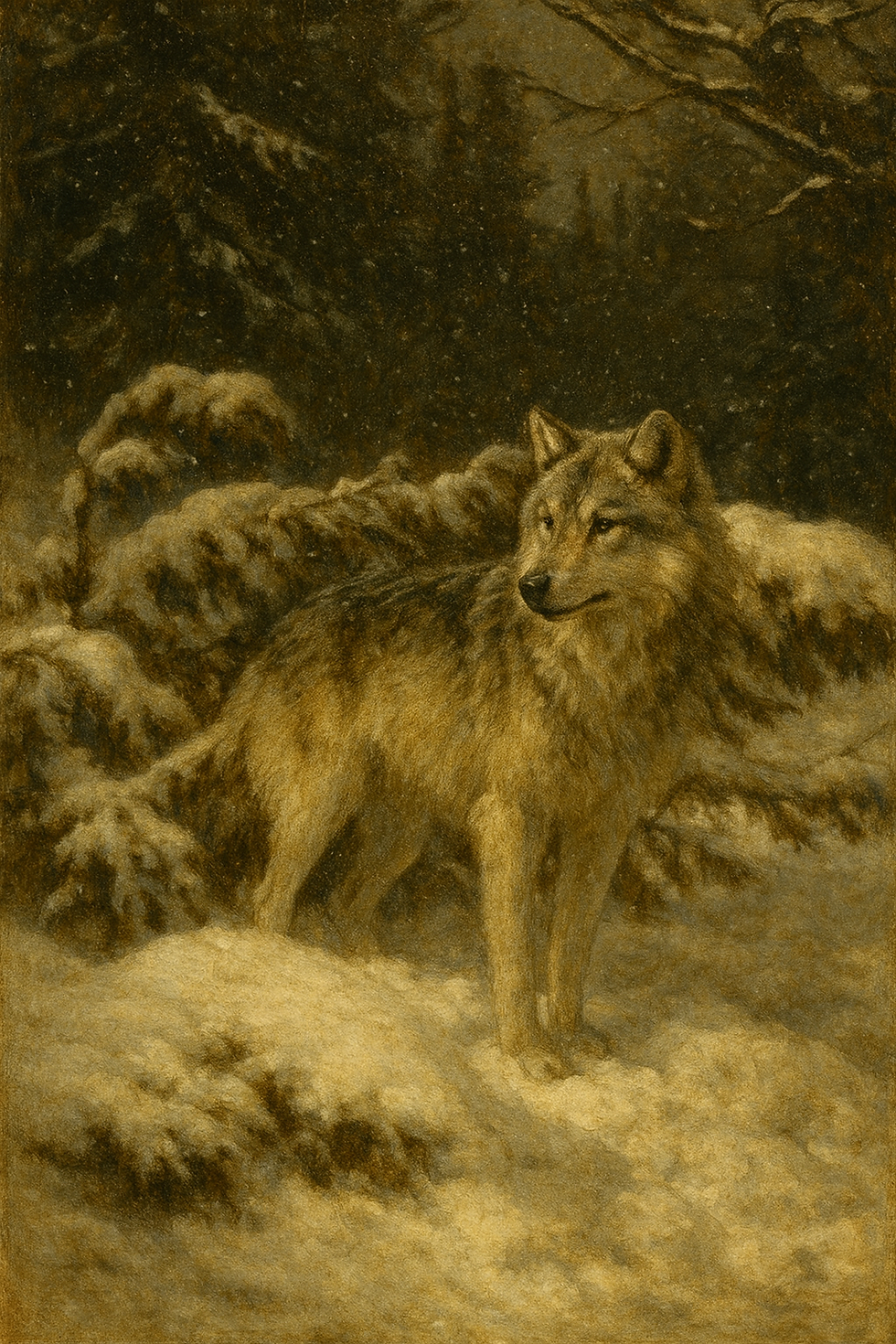
Belsnickel’s legend comes from the Palatinate region of Germany, a land of dense forests, long winters, and hungry wolves. In those dark, snow-choked woods, light was rare and danger constant. Parents needed their children to obey quickly, without hesitation, for a child wandering too far could be lost forever.
Belsnickel emerged as both warning and guide: a creature who rewarded goodness but punished folly. He represented the wild spirit of winter half man, half myth bridging the domestic hearth and the untamed forest beyond.
The very name Belsnickel likely derives from Pelz-Nickel, “Furry Nicholas”, a nod to his ragged animal skins and his association with Saint Nicholas himself.

Kind Fear: Lessons from Winter Spirits
Across the world, the dark months of the year are filled with visitors who test the moral fiber of humankind. Among the Hopi, masked Kachina spirits visit homes in December, sometimes “kidnapping” naughty children to teach lessons about respect. In Japan, the red-faced Oni roam during New Year festivals, roaring through villages to frighten away evil and bad behavior.
Such figures are not monsters to be destroyed, but guardians of moral order. They frighten to protect, chastise to nurture. Communities once understood these rituals as essential rites of passage, helping children confront fear in a safe, communal way.
To modern sensibilities, such customs may seem harsh or even cruel. Yet they were born from a time when disobedience could mean death, when listening to elders wasn’t merely polite it was survival.

Belsnickel’s Lessons Today
Today, in a culture that often avoids fear and consequence, Belsnickel’s story feels strangely relevant. He embodies a wisdom that has faded from our holiday season, the idea that goodness is not simply expected but chosen.
When every child is guaranteed a gift, we risk losing the lesson behind the magic. Belsnickel reminds us of that reward and discipline, joy and responsibility, are twin branches of the same ancient tree.
Perhaps it’s time for him to return not to frighten, but to remind. For in every child’s heart, as in every winter forest, there must be both shadow and light.


Comments